Area guide · Western Cape
New developments in Cape Town: area guides and off-plan apartments
Cape Town suits buyers who want a city home between the mountain and the sea: first-time buyers after a lock-up-and-go apartment, families moving from other provinces, and investors looking for rental stock. The metro is home to about 4.77 million people (Census 2022). RealSoon groups its new developments into six areas, from the City Bowl and Atlantic Seaboard to the Southern Suburbs, Hout Bay, False Bay and Blouberg, so you can compare them before you buy off-plan.
 By RealSoon editorial team·Last reviewed
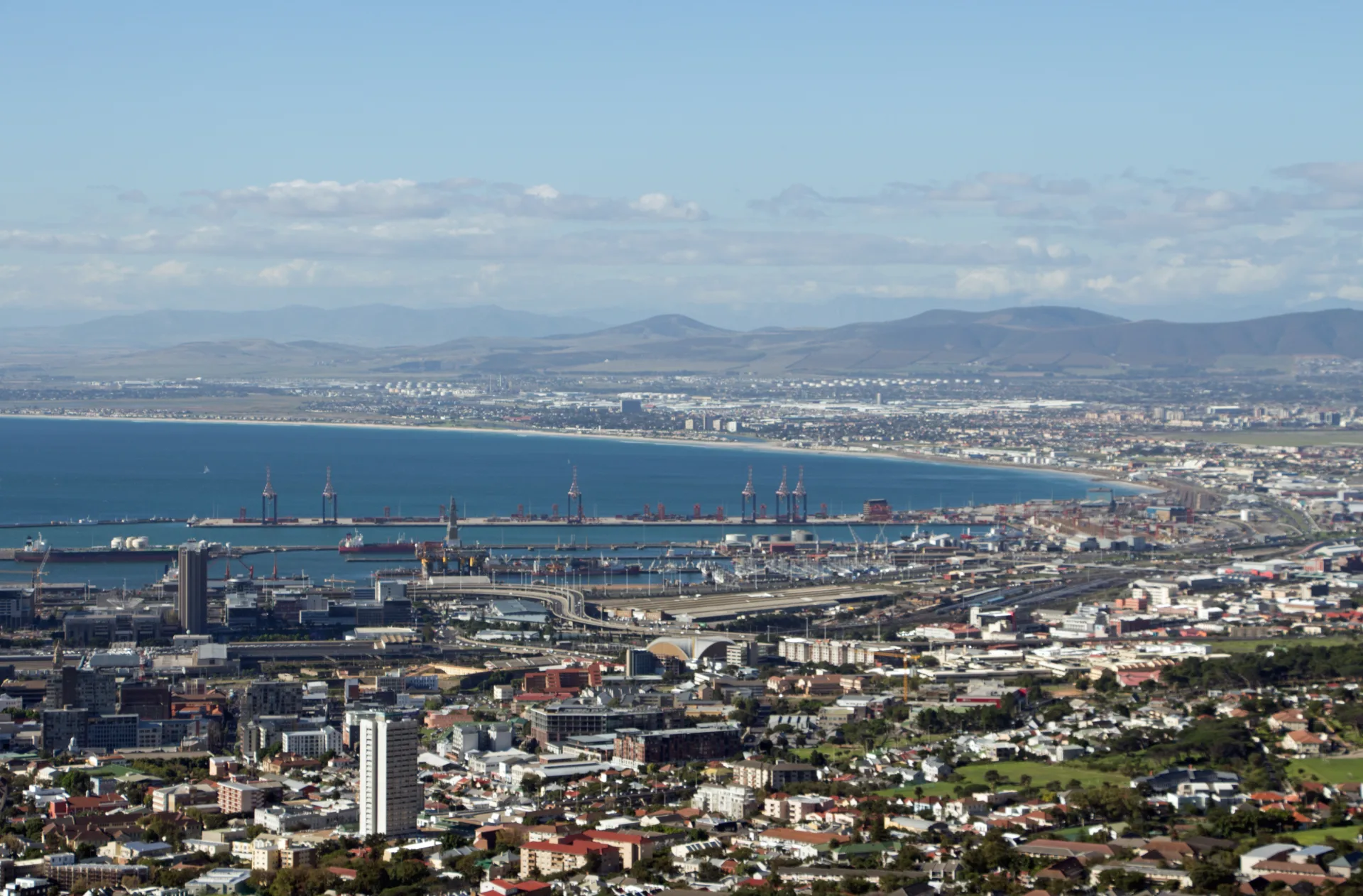
Living in Cape Town
Table Mountain shapes how Cape Town lives. The City Bowl sits in the amphitheatre below it, with the CBD, Gardens, Tamboerskloof and Oranjezicht close together. The Atlantic Seaboard runs from Green Point and Sea Point to Camps Bay, with apartments facing the ocean. Behind the mountain, the Southern Suburbs are leafier and built around schools, the Southern Line and suburban shopping centres.
Further out, Hout Bay is a valley town with its own harbour, False Bay covers the warmer-water coast from Muizenberg towards Simon's Town, and Blouberg, north of the city on Table Bay, offers the classic view of Table Mountain across the bay. Each area has a different price point, commute and lifestyle, which is why we cover them separately.
Getting around Cape Town
Cape Town International Airport is about 20 km from the city centre, linked by the N2. The City of Cape Town runs the MyCiTi bus network, whose routes reach from Atlantis in the north to Hout Bay in the south, and from Mitchells Plain and Khayelitsha in the east to Sea Point in the west, with the Civic Centre station in the CBD as the main transfer point.
Metrorail, run by PRASA, operates commuter trains from Cape Town station. The Southern Line runs through the Southern Suburbs to Muizenberg and Simon's Town, the Central Line serves Khayelitsha and Mitchells Plain, and the Northern Line runs to Bellville and beyond. Even so, many buyers still plan around a car, so check how many parking bays come with a unit and how long the peak-hour drive to work really is.
The property market and what new developments look like
Cape Town is where most of the Western Cape's building happens. In 2025 the City of Cape Town passed building plans worth R20.65 billion, 20.8% of the national total and more than any other metro, according to Stats SA's annual building statistics.
In the City Bowl and along the Atlantic Seaboard, new developments are mostly sectional-title apartment blocks, often with shops or offices on the lower floors and studios to two-bedroom units aimed at owner-occupiers and short- or long-term letting. Further out, in Blouberg, parts of the Southern Suburbs and the False Bay coast, you also find townhouse complexes and estates with larger units and gardens. Browse current projects on our developments page, and compare levies, parking and completion dates as carefully as the price.
Who Cape Town suits
Young professionals who want to walk to work or to restaurants usually look at the City Bowl and Sea Point. Families moving to Cape Town tend to compare the Southern Suburbs, for schools and the train line, with Blouberg, where newer stock and estates are more common. Buyers who want space and a quieter pace look at Hout Bay and the False Bay coast.
Investors should weigh rental demand against levies, and check each scheme's conduct rules on short-term letting before buying. If you are relocating from another province, read our Western Cape guide for the wider picture, and our South Africa page for the national rules on buying off-plan.
Buying off-plan in Cape Town
New to buying before a building is finished? Read our step-by-step guide to how to buy off-plan in Cape Town, from reservation and deposit to sectional title transfer. To budget for the extras, see what it costs to buy a new apartment in Cape Town, including VAT, conveyancing and bond registration costs. To shortlist projects and check a developer, agent and site, read where to research a new development in Cape Town. If you plan to borrow, see whether you can get a bond for an off-plan apartment in Cape Town. Buying from abroad? Read can foreigners buy off-plan in Cape Town for the exchange control, bond and tax rules for non-residents.
New developments in Cape Town
There are no developments listed here yet.
Areas in Cape Town
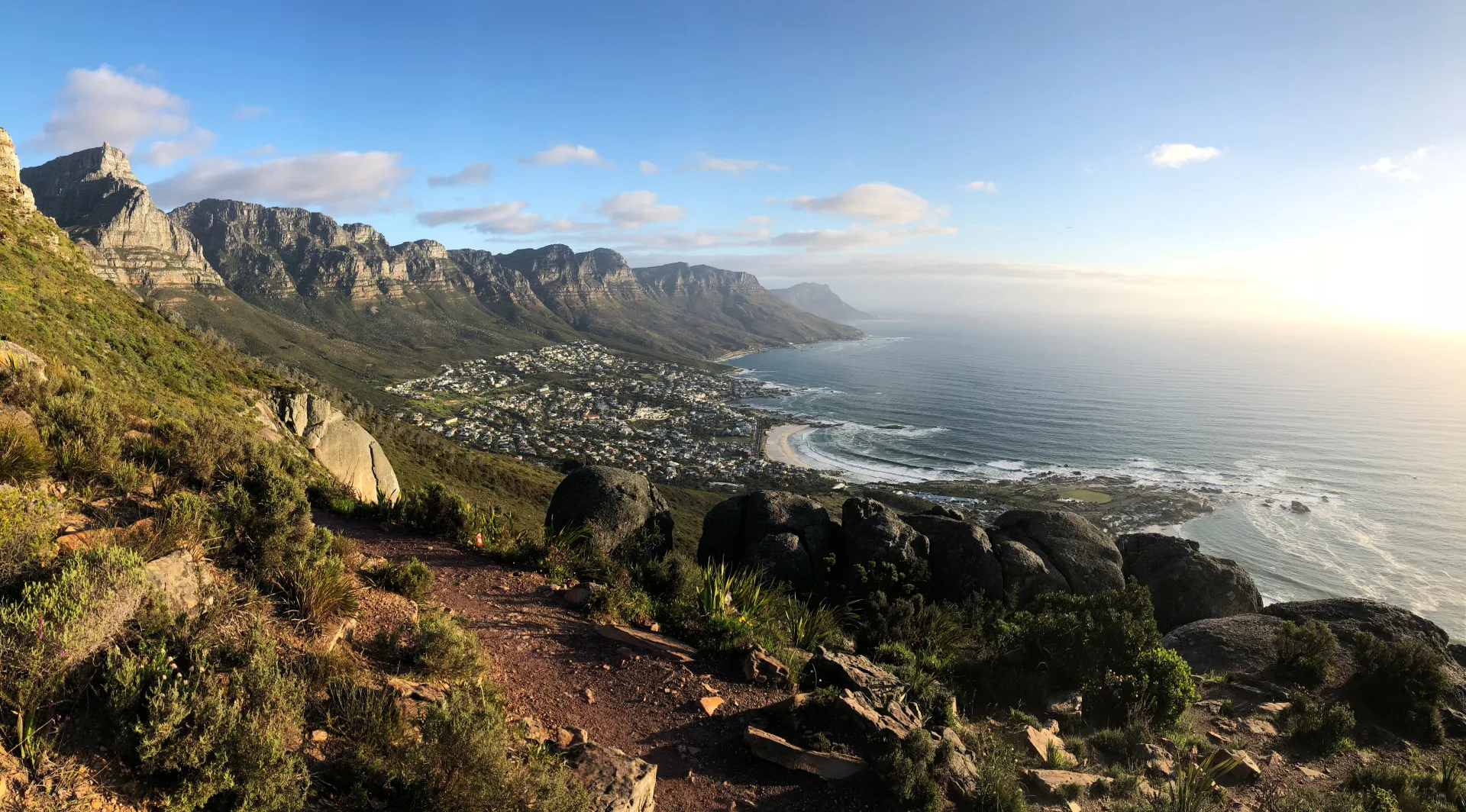
Atlantic Seaboard
Sea-facing apartments from Green Point and Sea Point to Clifton and Camps Bay, between the Atlantic and the slopes of Lion's Head and the Twelve Apostles.
0 developments

Blouberg
Long beaches with the postcard view of Table Mountain, and newer suburbs linked to town by MyCiTi and the R27.
0 developments
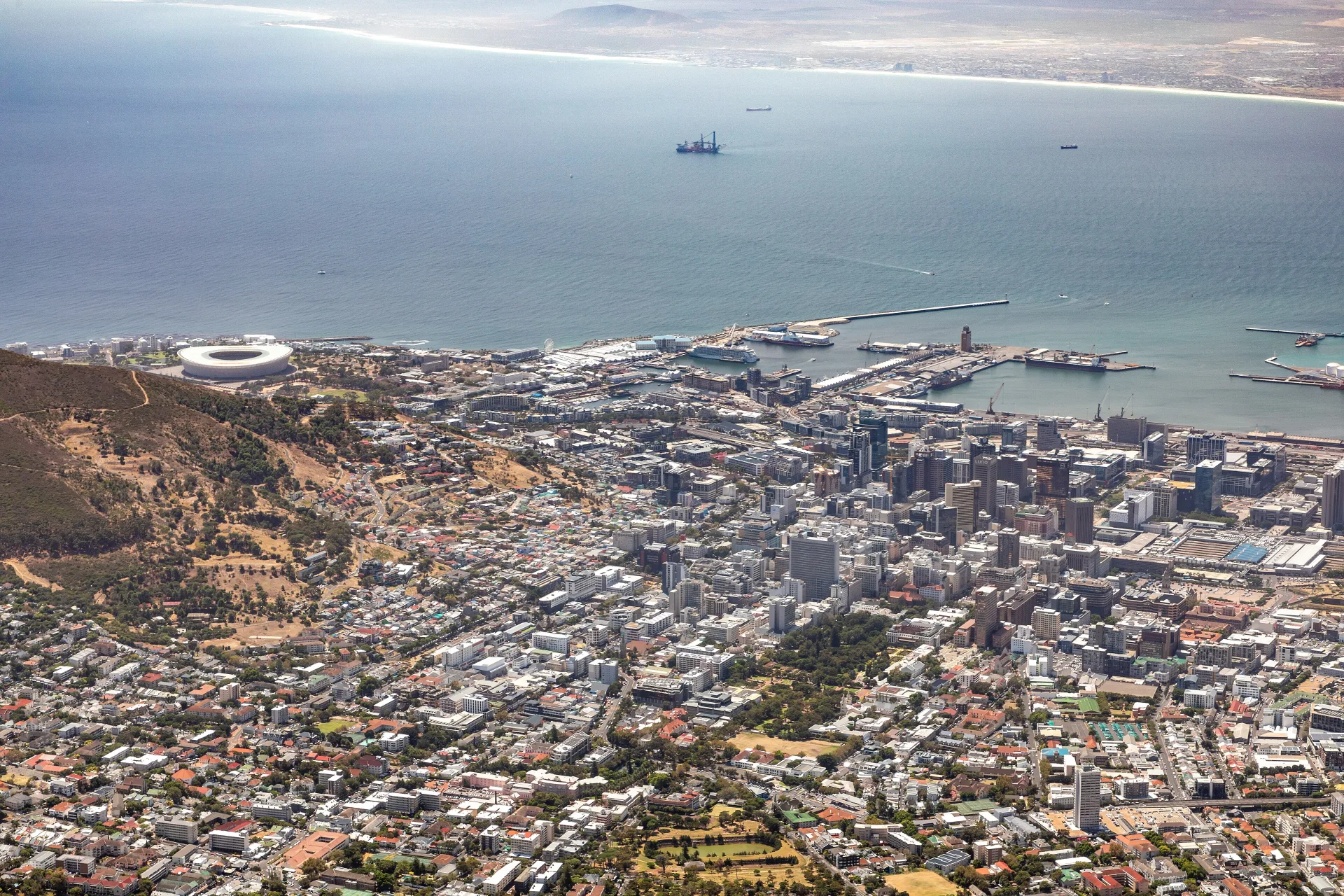
City Bowl
Apartment living in central Cape Town, from Foreshore towers to the streets of Gardens, Tamboerskloof and Oranjezicht below Table Mountain.
0 developments
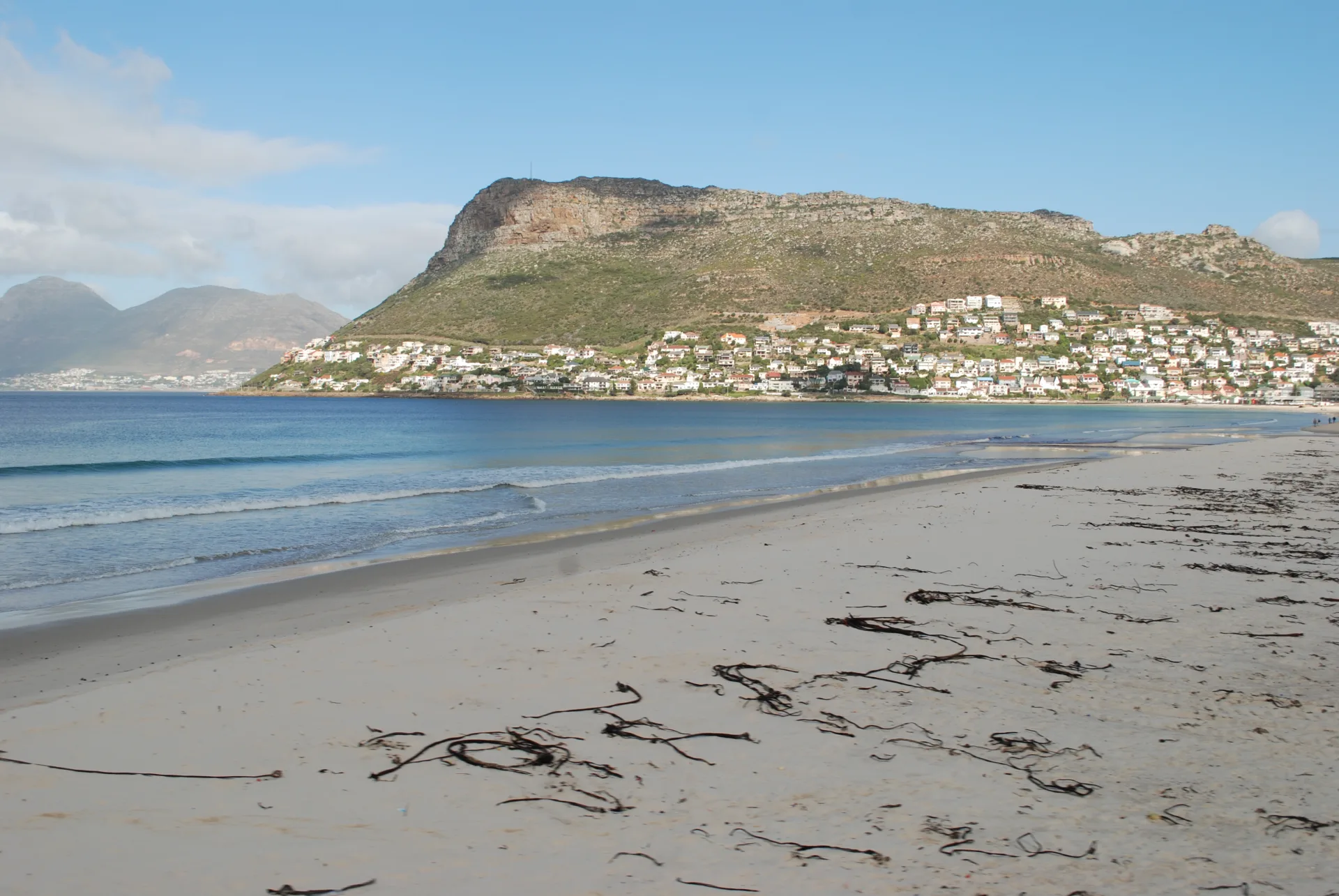
False Bay
Seaside villages strung along the Southern Line, from the surf at Muizenberg to the naval harbour at Simon's Town.
0 developments
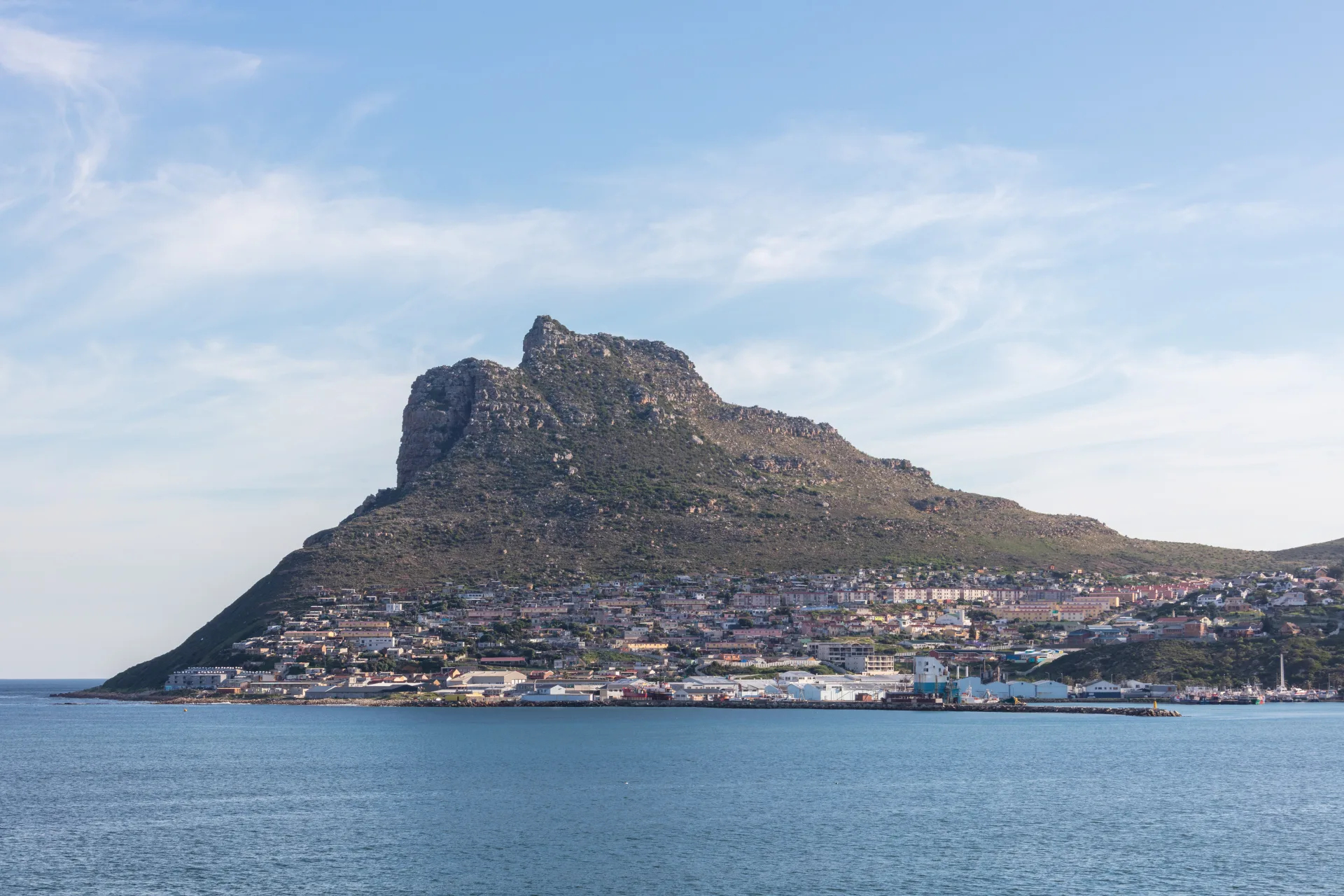
Hout Bay
A coastal valley with a working harbour, a long beach and mountain on three sides, linked to the city by Victoria Road and to the south by Chapman's Peak Drive.
0 developments

Southern Suburbs
Established, tree-lined suburbs on the eastern side of Table Mountain, with good schools, the Southern Line and the M3 on the doorstep.
0 developments
Quick answers
Do I pay transfer duty on a new apartment in Cape Town?
Usually not, if you buy from a VAT-registered developer. In Cape Town, as elsewhere in South Africa, a new unit sold by a VAT vendor in the course of its business carries 15% VAT, which is included in the price, and section 9(15) of the Transfer Duty Act exempts that sale from transfer duty. If the seller is not a VAT vendor, transfer duty applies, with nothing payable on the first R1,210,000 of the price for agreements concluded from 1 April 2025.
How far is Cape Town International Airport from the city centre?
Cape Town International Airport is about 20 km from Cape Town's city centre and is reached via the N2 freeway. Travel time depends heavily on traffic, so buyers in Cape Town who fly often should test the drive at peak hours.
Can I get around Cape Town without a car?
Partly. Cape Town has the City-run MyCiTi bus network, with routes from Atlantis to Hout Bay and from Khayelitsha and Mitchells Plain to Sea Point, and Metrorail commuter trains on the Southern, Central and Northern lines. Coverage and frequency vary by area, so many Cape Town buyers still plan for at least one parking bay.
Which parts of Cape Town does RealSoon cover?
RealSoon covers new developments in six parts of Cape Town: the City Bowl, the Atlantic Seaboard, the Southern Suburbs, Hout Bay, False Bay and Blouberg. Each has its own area guide with an overview of living there and current off-plan projects.
Is my deposit safe when I buy off-plan in Cape Town?
Your deposit should be held in a trust account until transfer, not paid straight to the developer. Under the Property Practitioners Act, property practitioners, which the PPRA says includes developers who market and sell property, must keep trust money in a separate trust account; conveyancing attorneys hold deposits in their own trust accounts under the Legal Practice Act. Before you sign in Cape Town, check in the sale agreement who holds the deposit and who earns the interest.
New developments in Cape Town, by email
Launches, price changes and new guides for Cape Town, matched to your budget. Once a week, free, and no one will call you.