Area guide · South Africa
New developments in Western Cape
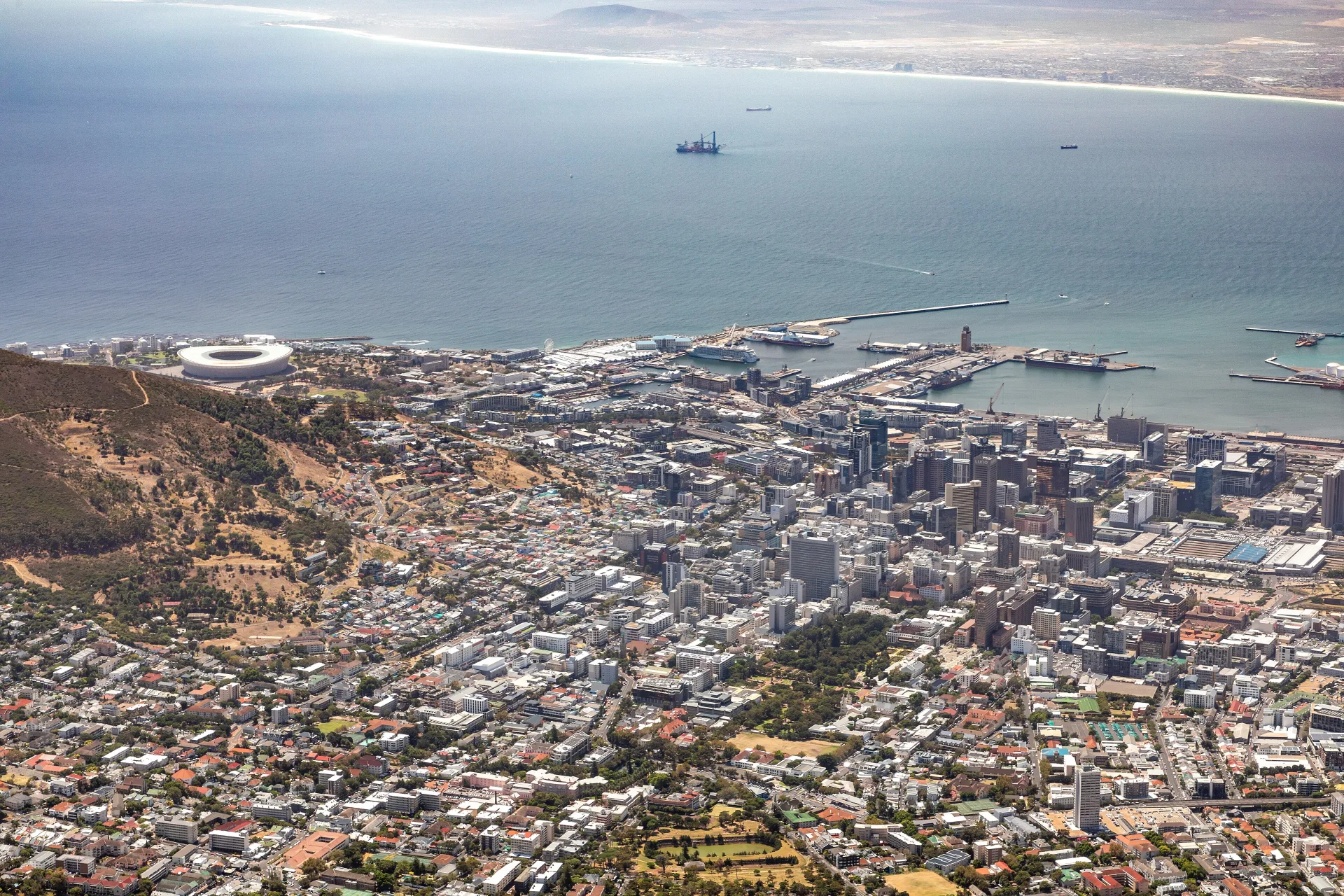
The Western Cape suits buyers relocating from other provinces, retirees and investors who want a well-run metro with coast, mountains and winelands within reach. Its population grew 27.7% between the 2011 and 2022 censuses to 7.43 million, and it now leads the country in the value of residential building plans passed. Cape Town holds nearly two-thirds of the province's people and is where RealSoon covers new developments.
 By RealSoon editorial team·Last reviewed
Why people are moving to the Western Cape
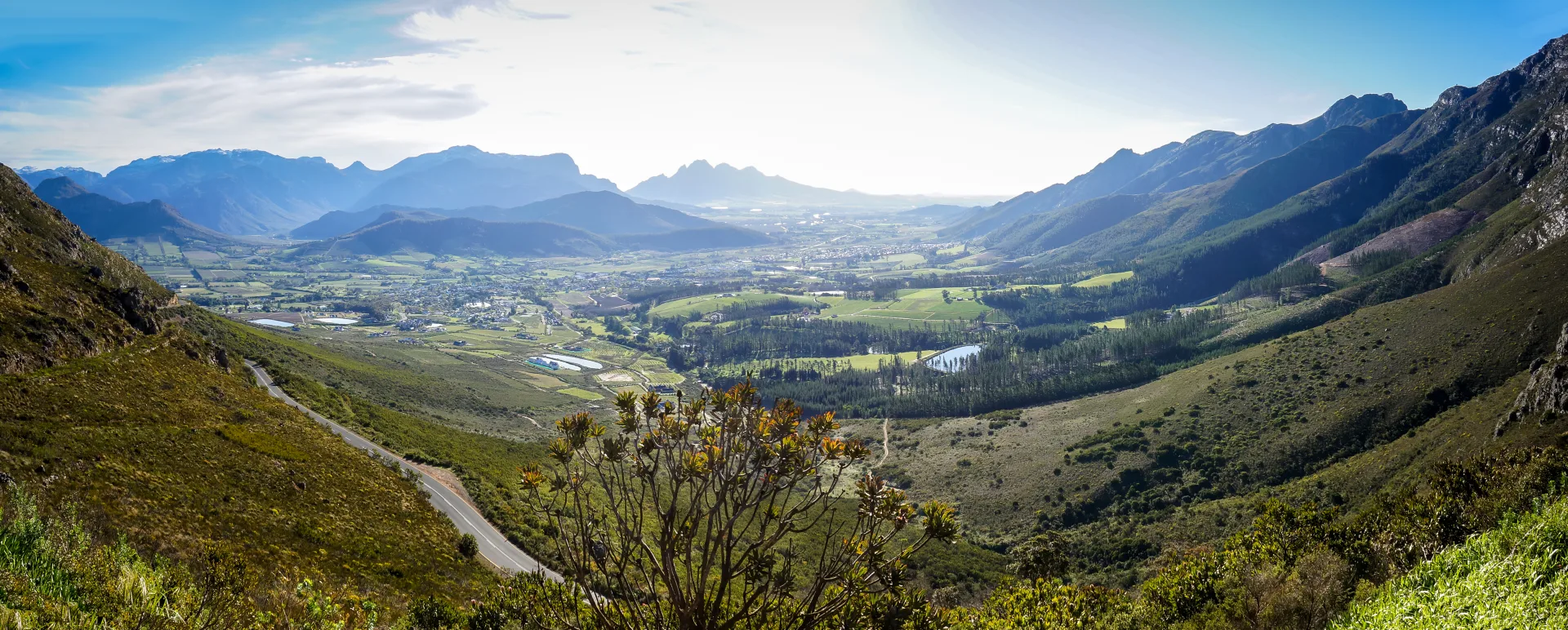
Moving within South Africa to the Western Cape, often called semigration, shows up clearly in official numbers. The province counted 5,822,734 people in Census 2011 and 7,433,020 in Census 2022, an increase of 27.7%. Stats SA's 2026 mid-year estimates put the number of people moving into the province from elsewhere between 2021 and 2026 at about 500,000, second only to Gauteng.
Stats SA links that inflow to jobs, study and a better quality of life. For buyers it means steady demand for new homes, especially in and around Cape Town, and competition for well-located stock. If you are relocating, plan visits at different times of day and year before you commit to an area.
The province leads residential building
According to Stats SA's annual building statistics, the Western Cape's larger municipalities passed building plans worth R34.95 billion in 2025, 35.3% of the national total and the most of any province. Residential plans alone were worth R17.2 billion, ahead of Gauteng's R13.1 billion, and included 5,778 flats and townhouse units alongside 8,351 houses.
The City of Cape Town accounted for 59.1% of the province's plans by value. Stellenbosch, Knysna, George and Mossel Bay were the next-largest contributors, which reflects the pull of the Winelands and the Garden Route as well as the metro. RealSoon concentrates on Cape Town, where most sectional-title apartment projects are being built.
Living in the Western Cape
The Western Cape covers 129,462 km² and is run through 30 municipalities: the City of Cape Town metro, five district municipalities and 24 local municipalities. Its regions are very different. The Cape Metropole is a large city with a commuter rail network and an international airport; the Cape Winelands and Overberg mix farming towns with university and retirement towns; the West Coast is dry and quieter; the Garden Route stretches along the southern coast; and the Central Karoo is sparsely populated.
For most buyers relocating for work, the choice comes down to Cape Town itself or a commuter town within reach of it. Rates, water tariffs and building approvals are set by each municipality, so check them for the specific town.
Buying off-plan in the Western Cape
The legal process is the same as anywhere in South Africa: a written, signed sale agreement, a deposit held in trust, NHBRC enrolment before construction, and no transfer duty when you buy from a VAT-registered developer. Our South Africa overview explains these rules, and the step-by-step guide to buying off-plan covers the process from reservation to transfer.
What differs locally is the market. Many developers need a minimum level of pre-sales before they start building, and demand in the province is strong, so be ready with bond pre-approval, read the sale agreement before you pay a reservation deposit, and compare completion dates and levies across several developments.
Start with Cape Town
Cape Town is home to 4,772,846 of the province's people (Census 2022) and is where RealSoon tracks new developments. Our Cape Town guide compares six areas: the City Bowl, Atlantic Seaboard, Southern Suburbs, Hout Bay, False Bay and Blouberg. Each area guide covers what it is like to live there, how people get around and which off-plan projects are selling, so you can shortlist areas before you visit. When you are ready, browse current projects on developments.
New developments in Western Cape
There are no developments listed here yet.
Cities in Western Cape
Quick answers
Why are so many people moving to the Western Cape?
Stats SA estimates that about 500,000 people moved into the Western Cape from elsewhere between 2021 and 2026, the second-largest inflow after Gauteng, and links the movement to jobs, study and quality of life. The Western Cape's population grew 27.7% between the 2011 and 2022 censuses.
Is the Western Cape building more new homes than other provinces?
By value, yes. In 2025 the Western Cape's larger municipalities passed residential building plans worth R17.2 billion, more than any other province, including Gauteng at R13.1 billion, according to Stats SA. The Western Cape's total plans passed, at R34.95 billion, were 35.3% of the national figure.
Are the rules for buying off-plan different in the Western Cape?
No. Off-plan purchases in the Western Cape follow national law: the Alienation of Land Act, the Consumer Protection Act, the Property Practitioners Act, the Transfer Duty Act and NHBRC rules. Local differences are practical, such as municipal rates, levies and how quickly projects sell.
Which Western Cape areas does RealSoon cover?
RealSoon currently covers new developments in Cape Town, the Western Cape's capital and only metro, split into six areas: the City Bowl, Atlantic Seaboard, Southern Suburbs, Hout Bay, False Bay and Blouberg.
New developments in Western Cape, by email
Launches, price changes and new guides for Western Cape, matched to your budget. Once a week, free, and no one will call you.